Transform Your Craft: Sewing Junk Journal Pages
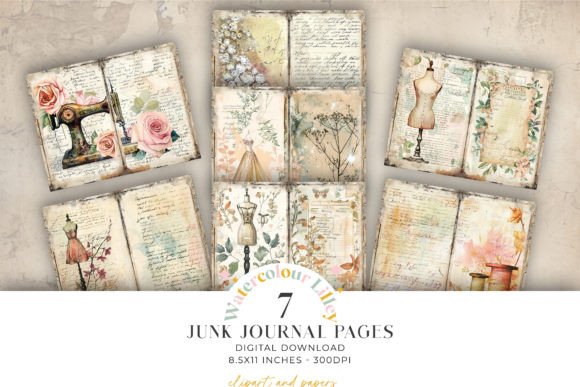
There is a distinct tactile pleasure in working with materials that feel grounded in history. When we talk about Sewing Junk Journal Pages, we aren't just discussing a set of digital files; we are talking about a bridge between modern convenience and vintage charm. These specific pages, sized at 11" x 8.5" and rendered at a crisp 300dpi, offer a high-resolution foundation for artists who value texture and depth. Unlike standard copy paper, these designs mimic the aesthetic of aged ephemera, featuring Victorian printables and intricate sewing machine designs that immediately evoke a sense of nostalgia.
The visual personality of these pages is distinctly "shabby chic." It is a style defined by soft imperfections, muted color palettes, and layering. When you incorporate these Sewing Junk Journal Pages into your work, you are inviting a layer of complexity that digital tools often struggle to replicate. The high resolution ensures that whether you are printing them for a physical collage or using them as a background layer in a digital planner, the details remain sharp. This is crucial for maintaining the illusion of reality; a blurry vintage font or a pixelated stitch line can break the immersion of a crafted piece. By starting with premium assets, you set a professional baseline for your entire project.
The Aesthetic Appeal of Vintage Sewing Pages
Understanding the visual style of these pages helps in applying them effectively. The collection often utilizes a mix of typography styles to create visual interest. You might find elements that act like a display font—bold, decorative headings that grab attention—alongside paragraphs of text that mimic an editorial design layout from a bygone era. This variety is a design asset in itself. It allows you to create a visual hierarchy within your journal without needing to source multiple different kits.
For the crafter or designer, the "shabby chic" aesthetic is incredibly versatile. It softens the edges of modern design. If you are working on brand identity for a boutique textile shop or a seamstress, these elements provide an authentic backdrop. However, the appeal goes beyond literal sewing. The themes of thread, fabric, and machinery speak to the concept of "constructing" something. Therefore, these Sewing Junk Journal Pages work surprisingly well for writers, poets, and entrepreneurs who want to convey the message that their work is handcrafted, thoughtful, and built with care.
Practical Applications in Modern Design
While the name suggests a specific use case, the utility of these high-quality JPGs extends into various professional fields. Here is how different creators can leverage this style:
- Editorial Design and Publishing: For bloggers or independent publishers, these pages serve as excellent chapter dividers or background textures for text overlays. Because they are 300dpi, they are print-ready. You can use them in zines, magazines, or booklets without worrying about the "screen door" effect that plagues lower-quality web images.
- Digital Branding: In web design and social media graphics, texture is a powerful tool to stop the scroll. A background featuring a vintage sewing pattern can make a quote card or an announcement feel more substantial. It moves the design away from the flat, sterile look of generic templates.
- Packaging Design: If you sell physical goods, particularly handmade items, vintage ephemera is a goldmine. You can print these pages to wrap products, create hang tags, or line the inside of a box. This elevates the unboxing experience, reinforcing the value of the product inside.
Integrating Typography and Texture
A common challenge in digital collage is making disparate elements look like they belong together. This is where the concept of font pairing becomes relevant, even when dealing with pre-printed pages. When you add your own text or stickers to these Sewing Junk Journal Pages, you need to consider how your modern typefaces interact with the vintage background.
For instance, if the page features a flowing, script font style in the background, layering a heavy, geometric sans serif font on top can create a pleasing contrast. The sans serif offers legibility and modernity, while the background provides the character. Conversely, pairing the vintage texture with a classic serif font can unify the design, creating a seamless, timeless look. The key is to let the texture of the page support the text, not compete with it. If the background is busy, use a solid color block or a slight drop shadow behind your text to ensure readability.
Commercial Use and Professional Standards
For small business owners and entrepreneurs, the question of usage rights is paramount. When sourcing design assets like these, it is vital to understand the licensing. Most premium digital assets allow for commercial use, meaning you can incorporate them into products you sell. However, you typically cannot resell the digital files themselves. This distinction is important for maintaining professional integrity.
Using high-quality assets like the Sewing Junk Journal Pages signals to your audience that you value quality. In a crowded market, the difference between a "homemade" look and a "handcrafted" professional look often comes down to the quality of the materials used. A pixelated image suggests a lack of attention to detail, whereas a crisp, 300dpi Victorian printable suggests expertise and care. This is a subtle form of brand identity management; every visual touchpoint tells a story about your business.
Creative Techniques for Maximum Impact
To get the most out of these pages, think beyond simple backgrounds. The "junk" in junk journaling implies a collage aesthetic—a layering of life’s bits and pieces. You can use these pages to create:
- Pockets and Envelopes: Print the pages, fold them, and glue the edges to create pockets for holding tags, receipts, or other ephemera. This adds interactivity to a journal or a handmade card.
- Faux Washi Tape: Print the designs onto sticker paper or standard paper with a glue backing. Cut them into thin strips to create your own custom "tape" that matches the aesthetic of your page perfectly.
- Layered Focal Points: Use the sewing machine designs as a central image. You can cut out the machine or the thread spools and mount them on foam tape to give them physical dimension.
Ultimately, the goal is to create a cohesive visual narrative. Whether you are a scrapbooker preserving memories or a designer creating a logo design mood board for a client, the materials you choose speak volumes. By utilizing Sewing Junk Journal Pages